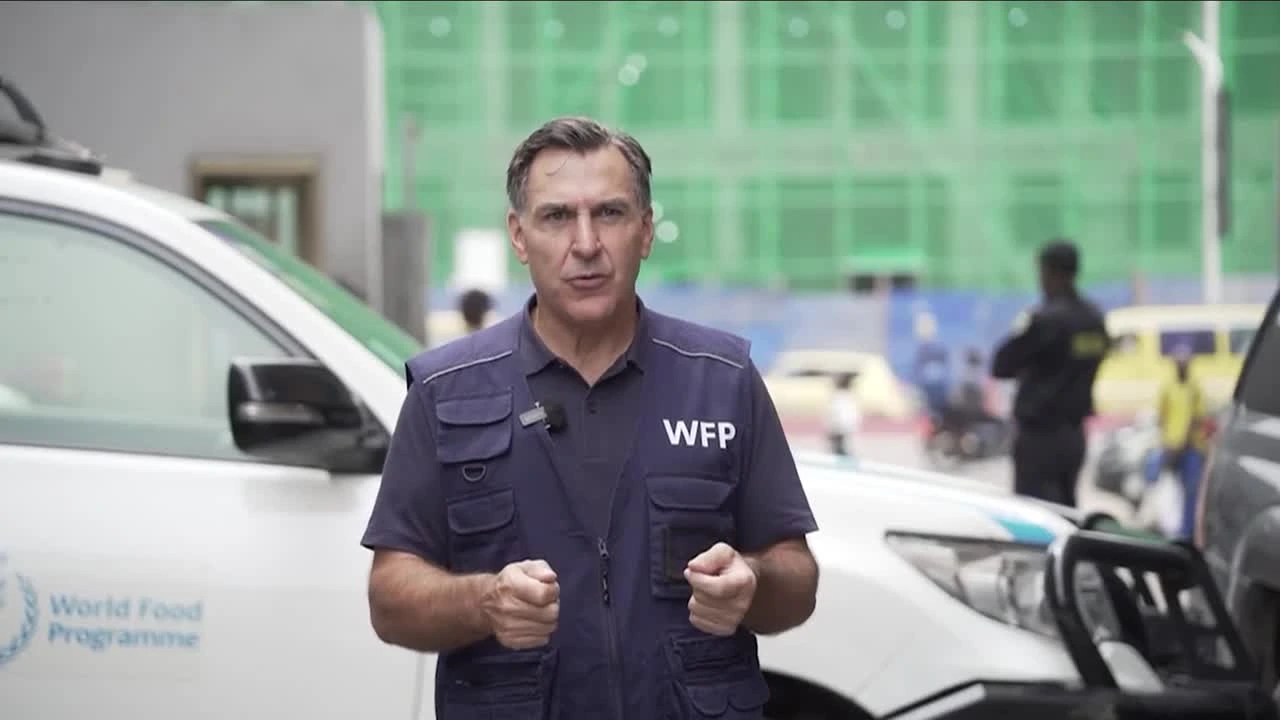
The World Food Programme reported on 23 October that the Ebola response in the Democratic Republic of the Congo now combines food assistance with transport, communications and the construction of treatment facilities. Its six-month emergency response in eastern Congo requires US$214 million, including US$78.6 million for food assistance to patients, close contacts and families. Those sums are funding requirements. The agency’s account places the practical ability to reach care and remain in treatment alongside the provision of clinical services, as households face food shortages and disruption to livelihoods. [1]
WHO’s published overview of its situation report, using data through 19 October, recorded the outbreak across 66 health zones in eight provinces. Transmission was uneven: Ituri accounted for 72.7 per cent of cumulative confirmed cases, while substantial transmission continued in North Kivu and Haut-Uélé. The geographic spread places different local administrations and health facilities within the same national response. The report identifies insecurity, displacement and restricted humanitarian access as obstacles to surveillance and operations. These are dated findings about the response environment, with conditions varying among the affected areas. [5]
The consequences reach services used by people without Ebola. In a 23 October account from Isiro, WHO reported that the general reference hospital’s bed occupancy had fallen from above 90 per cent before the disruption to 30 per cent in August, according to its director. Paediatric space had been reassigned as cases increased. Under Ministry of Health leadership, with WHO, Médecins Sans Frontières and other partners, a treatment centre initially equipped with 40 beds was expanded to 50. Reorganising care pathways was intended to allow ordinary hospital activity to resume. [2]
WHO also reported supplying more than a tonne of medicines, equipment and other materials to the Isiro hospital. The director described patients beginning to return for usual care. That account identifies a specific mechanism through which emergency resources can support wider public provision: separate treatment arrangements, equipment and organised patient routes make space for other services. The reported improvement concerns this hospital. Maintaining access for pregnant women, children and people with other illnesses remains part of the task facing health authorities as the outbreak continues. [2]
Lita’s referral hospital faced a similar pressure on maternity care. WHO’s 22 October report recorded 42 deliveries in June, against an earlier monthly average of 80. It linked the decline to fear of attending a hospital that had become an Ebola treatment centre. Support included three tents and 29 beds and mattresses for maternity and paediatrics, alongside equipment and two ambulances for the response. The report records 56 deliveries in September. Attendance had improved from June while remaining below the earlier average, showing the distance between restoring facilities and recovering their full use. [3]
At Lita, the reported investments also included a borehole, staff training and organised triage routes. These measures connect the emergency response to the everyday infrastructure of public healthcare: water, transport, space and trained staff determine which services a facility can sustain. WHO describes coordination led by the Ministry of Health with partners and community committees. Its account documents specific additions and a partial recovery of maternity activity; keeping those services running will require the continued organisation of the hospital beyond the immediate delivery of equipment. [3]
Across the border, health officials from Congo and South Sudan met in Aba to establish shared surveillance and response arrangements, according to WHO’s 22 October report. Their roadmap covers information sharing, joint investigations and communication with communities. Officials described a weekly exchange of surveillance and communication information. The institutional task crosses two national administrations, particularly Aba and Yei River County, where people move between neighbouring communities. The coordination described is a local mechanism for exchanging alerts and organising a joint response when one becomes necessary. [4]
That border system was still incomplete. WHO reported that five of eleven proposed entry and control points in Aba were operational, with shortages of protective equipment, inadequate isolation capacity and no ambulance for transferring suspected cases. Assessments by the ministry and partners were under way. More than 26,000 South Sudanese refugees were living in the Aba health zone, making the availability of services important to both displaced residents and host communities. These operational gaps sit beside the agreed roadmap: the coordination commitment and the capacity to carry it out remain distinct parts of the response. [4]
Community participation has also involved adapting how health teams work. A WHO account published on 23 September described a delayed burial in Mutumbi, outside Bunia, where local objections to the handling of the deceased were addressed through dialogue involving health teams, young leaders and traditional chiefs. The account concerns a particular incident and negotiated response. Local language and relationships helped the participants reach an agreement, while volunteers and community brigades provided channels for raising concerns and communicating alerts to the response teams. [6]
The same September account describes feedback mechanisms organised at health-zone level and guided visits to treatment centres by community leaders. These arrangements give residents and local intermediaries a role in the circulation of information and the identification of problems. They show a form of public authority exercised through discussion and practical cooperation among community actors, national teams and international partners. The reported experience in Lita and Mutumbi provides context for the current expansion of the response, without establishing that identical arrangements or outcomes exist in every affected area. [6]
WFP’s 23 October account identifies common logistics and air services as part of that wider operational system, alongside food assistance and treatment-centre construction. It describes the need to keep responders and supplies moving where poor roads and insecurity constrain access. The financing request therefore concerns several linked services through which assistance reaches households and health facilities. The agency’s plans for further facilities remain separate from work already completed. Sustaining those links is part of the current response’s capacity to reach people across the affected provinces. [1]
- [1]World Food Programme / United Nations UNifeed. WFP / DRC Ebola spread response23 October 2026; footage dates specified in shotlist
- [2]WHO Regional Office for Africa. Ebola response: Strengthening treatment and preserving essential care23 October 2026; provincial data as of 19 October
- [3]WHO Regional Office for Africa. Continuity of care in Lita: A hospital transformed by the Ebola response22 October 2026
- [4]WHO Regional Office for Africa. At the border, the Democratic Republic of the Congo and South Sudan strengthen Ebola surveillance22 October 2026
- [5]WHO Regional Office for Africa. Ebola Bundibugyo virus disease outbreak: Weekly External Situation Report 23, data as of 19 October 2026 — published overview19 October 2026
- [6]WHO Regional Office for Africa. Reconciling Ebola response and community needs to prevent transmission23 September 2026
Did this publication help you understand the topic?
0 voluntary responses. Browser-based participation; responses are not a representative survey.
We welcome suggestions, contributions and recommendations.
Editorial standards ↗