Independent journalism - Knowledge sharing - Public learningContact us
Savoirs d’Afrique
Politics & power

Authority. Conflict.
Africa in the world.

War, political authority, citizenship and the international relationships shaping African societies.

Reporting & documentary essays

Political institutions, decisions & their consequences

All news ↗
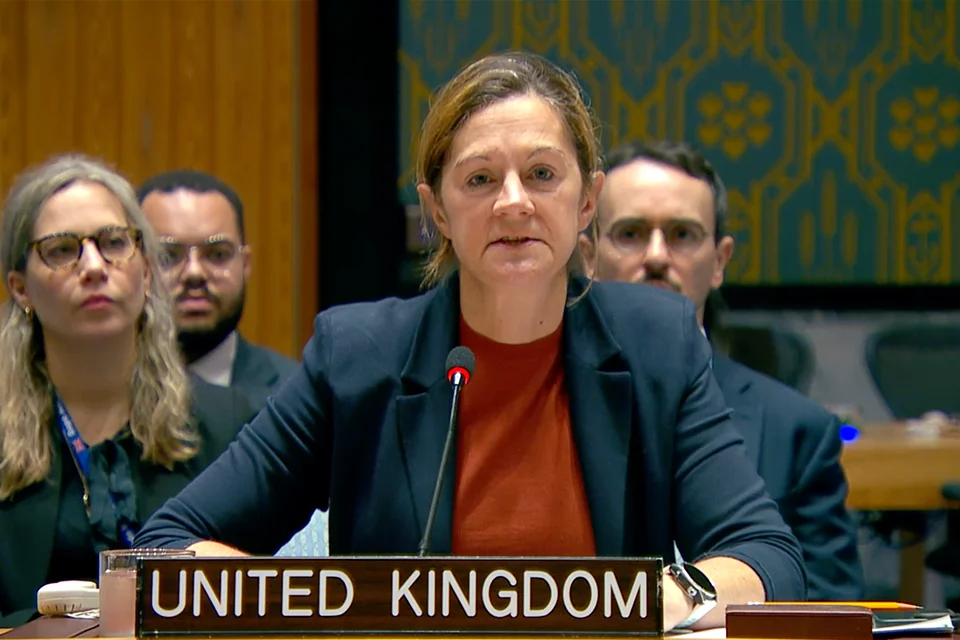
Kate Foster seated behind the United Kingdom placard while speaking at the UN Security Council.
Kate Foster addresses the UN Security Council on Sudan, New York, 16 October 2026. Contains public sector information licensed under the Open Government Licence v3.0.
Foreign, Commonwealth & Development Office / Crown copyright
Image details

Kate Foster addresses the Security Council on Sudan, 16 October 2026

Image date: 2026-10-16.

Converted from the original PNG to WebP; dimensions and framing unchanged. No content edits.

Original image · Rights record

Sudan’s mediation tracks approach Geneva with civilian political participation at stake

Read full article
8 sources
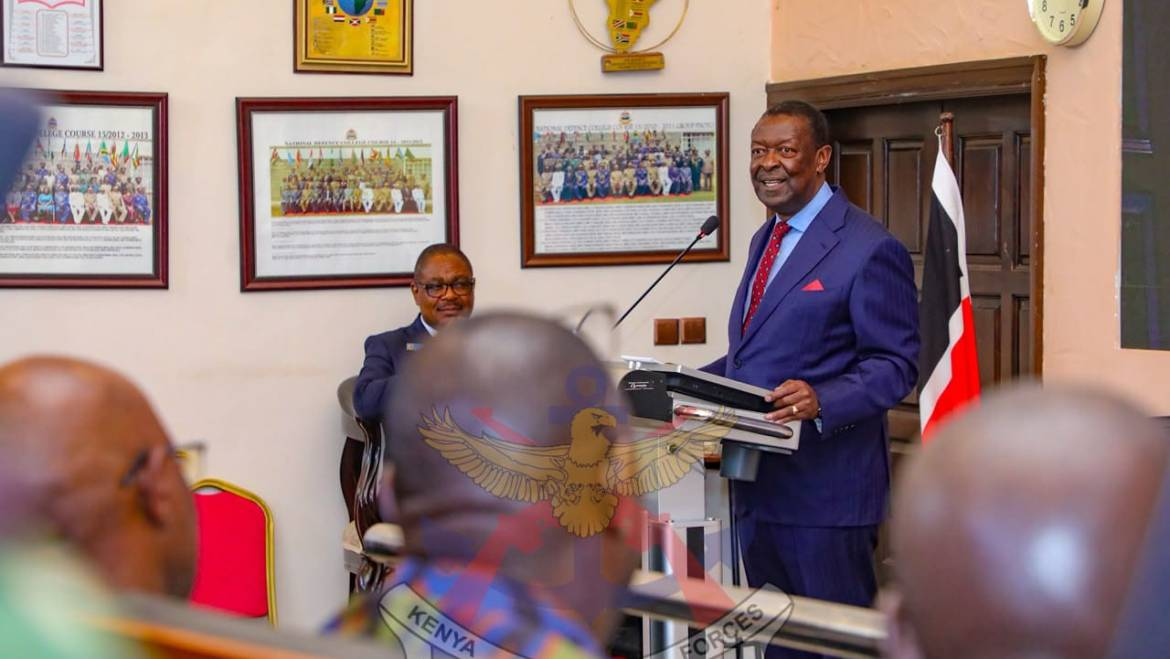
Musalia Mudavadi speaking at a lectern at the National Defence College
Musalia Mudavadi addresses the National Defence College in Karen, Nairobi, 14 October 2026. Kenya Ministry of Defence / APO Group.
Ministry of Defence, Kenya / APO Group
Image details

Musalia Mudavadi addresses the National Defence College in Karen, Nairobi, 14 October 2026

Image date: 2026-10-14.

Full frame preserved, converted to lossless WebP. Individual photographer not supplied by the publisher. Visible KDF watermark retained.

Original image · Rights record

Kenya’s defence-college lecture places diplomacy inside the security debate

Read full article
6 sources
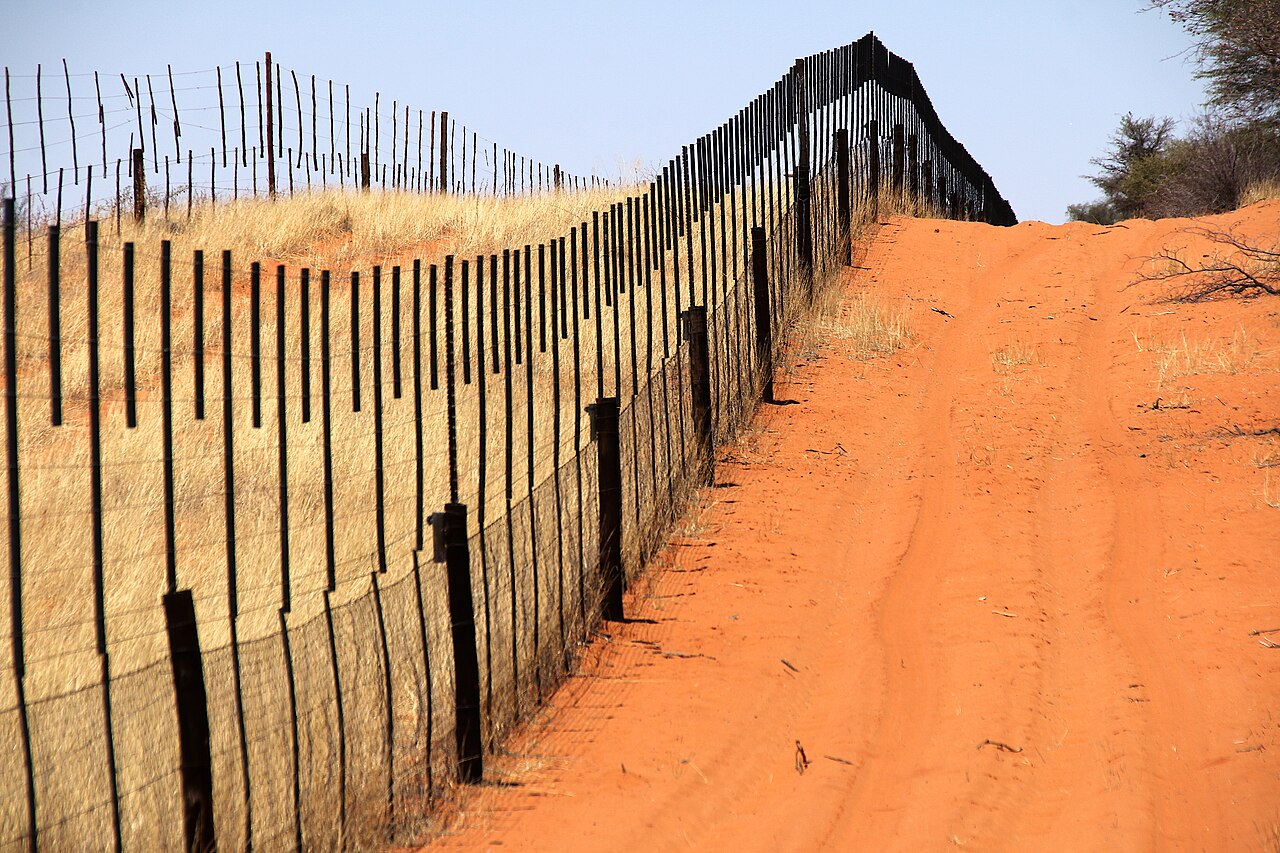
Wire and stakes extend across a dry landscape along the Namibia–Botswana boundary in 2018.
The Namibia–Botswana boundary fence, photographed 19 October 2018.
Hp.Baumeler · CC BY-SA 4.0
Image details

Border fence Namibia Botswana (2018)

Historical record: 2018-10-19.

Full-frame 1280 × 853 Commons thumbnail converted losslessly to WebP. No additional crop, retouching or generated content.

Original image · Rights record

The OAU’s border settlement: sovereignty, liberation and cooperation

Read full article
6 sources
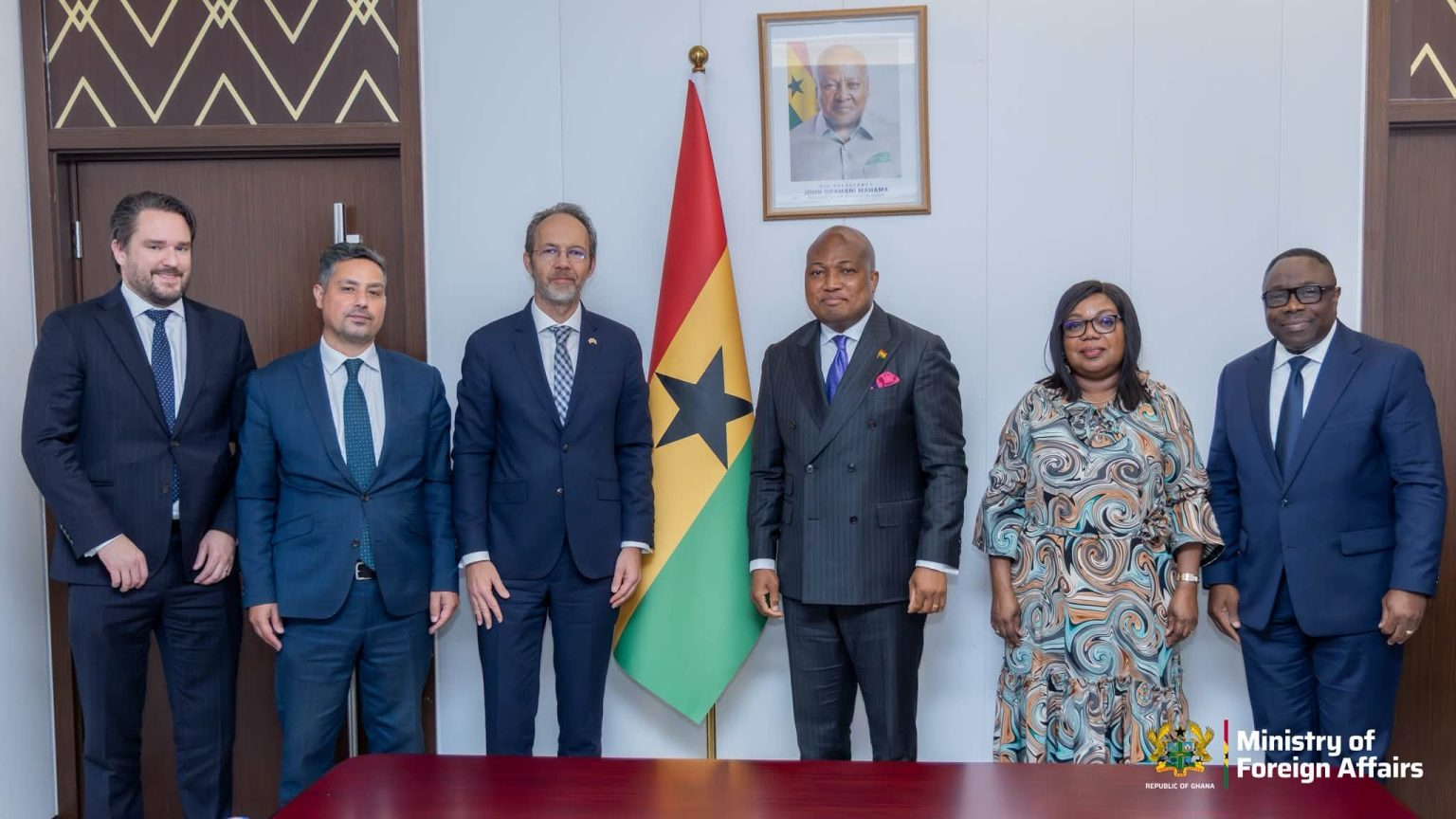
Samuel Okudzeto Ablakwa and Christian Rogg with their teams beside a Ghana flag
Samuel Okudzeto Ablakwa and British High Commissioner Christian Rogg with their teams, Ghana, 9 October 2026. Ghana MFA / APO Group.
Ministry of Foreign Affairs, Republic of Ghana / APO Group
Image details

Ghana foreign minister and UK High Commissioner, 9 October 2026

Image date: 2026-10-09.

Converted to lossless WebP without cropping; the full distributed image and visible watermark are preserved. Individual photographer not supplied by the publisher.

Original image · Rights record

Ghana brings reparatory justice into its 9 October talks with the UK

Read full article
7 sources
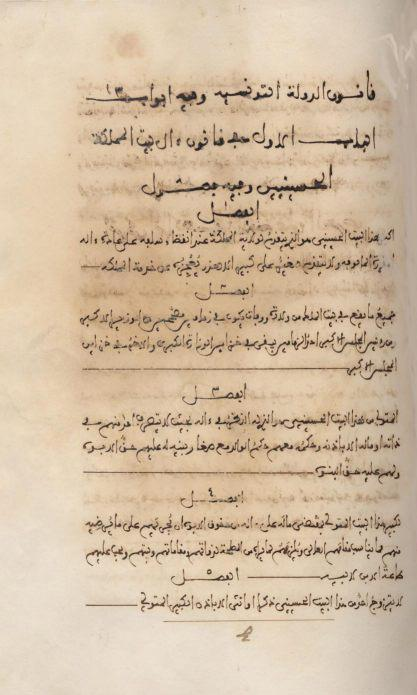
An aged manuscript page containing Arabic text divided into numbered sections.
First page of Tunisia’s 1861 constitution. Arabic manuscript; National Archives of Tunisia, via Wikimedia Commons. Public domain.
Beylical administration of Tunis / National Archives of Tunisia · Public domain
Image details

First page of the Tunisian Constitution of 1861

Historical record: 1861 (document; digitisation date unspecified).

Converted to lossless WebP without cropping or changing the image content.

Original image · Rights record

Tunisia’s 1861 constitution: who could hold power to account?

Read full article
7 sources
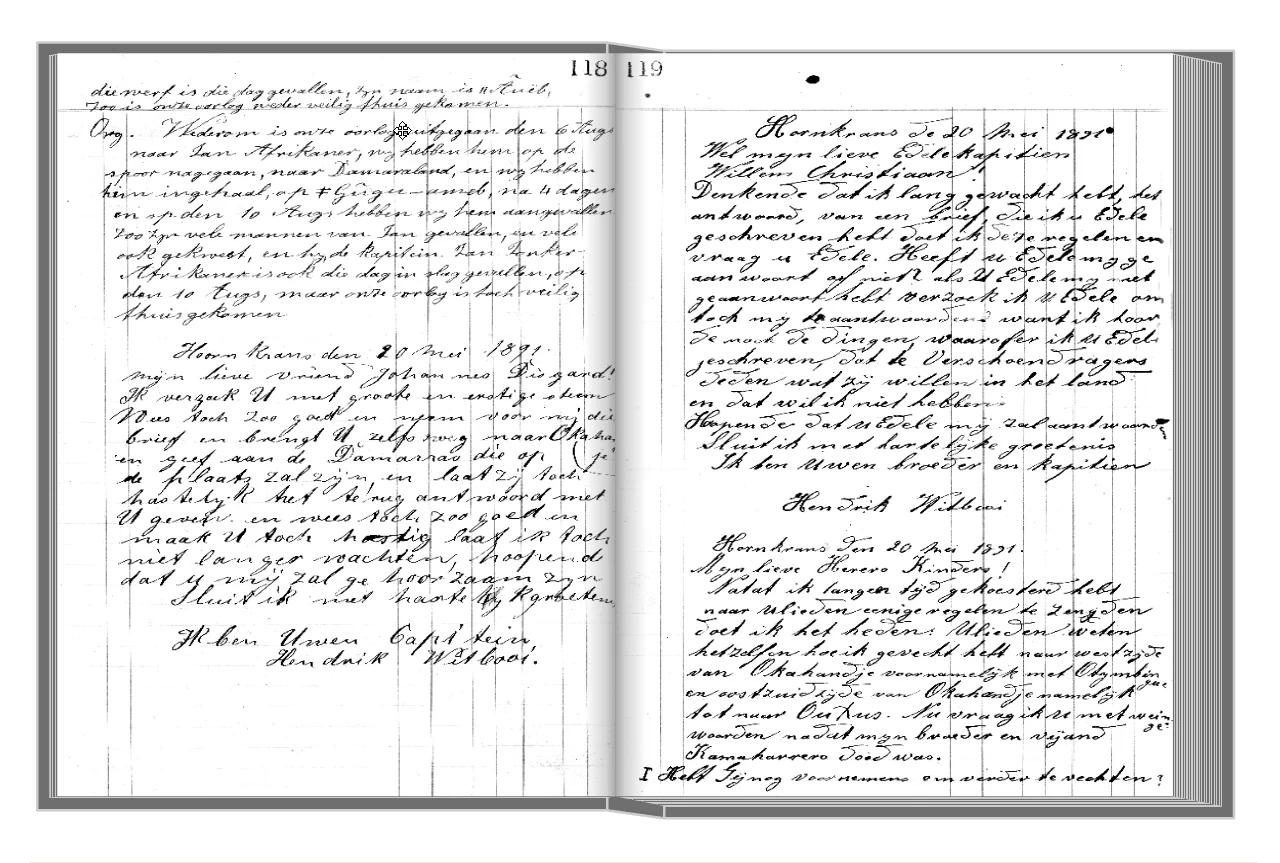
Two handwritten pages of Hendrik Witbooi’s letter journal, with folio numbers 118 and 119
Pages 118–119 of Hendrik Witbooi's Letter Journal No. 1, dated 20 May 1891. Historic manuscript, reproduced from the Digital Namibian Archive via Wikimedia Commons.
Hendrik Witbooi (1830–1905) · Public domain
Image details

Witbooi-Journal-1-118.png

Historical record: 1891-05-20.

Resized and converted to WebP; layout crops may apply. Manuscript date is 20 May 1891; digital scan uploaded 17 February 2019.

Original image · Rights record

Land, custom and the postcolonial state: Namibia’s divided authority

Read full article
8 sources
Our political coverage agenda

Regions, actors & questions of power

Research priorities connect current developments to histories of state formation, coercion, social relations and political struggle. Each investigation defines its actors, place, dates and evidence.

War, civilian power & mediation

Sudan

Who controls armed force, resources and the terms of negotiation? How do Sudanese civilian organisations enter peace processes, and which commitments on protection and humanitarian access are implemented?

Evidence to examine: Ceasefire texts, mediation records, civilian submissions, UN and African monitoring, sanctions instruments and trade records.

Transition, elections & public authority

South Sudan

How are power-sharing, security arrangements and electoral commitments translated into decisions? Who is included in the transition, and how do oil revenue, public spending and displacement affect political participation?

Evidence to examine: Peace-agreement provisions, monitoring reports, electoral rules, budgets and documented civic interventions.

The Great Lakes: armed politics, borders & citizenship

Burundi, Rwanda & DR Congo

How do military operations, armed movements, land claims and regional diplomacy reshape authority in eastern Congo and neighbouring states? Which institutions verify agreements and protect displaced people?

Evidence to examine: Agreements and verification mechanisms, UN expert reports, court records, land documents and independently corroborated local reporting.

The Sahel: military government & regional order

Mali, Burkina Faso & Niger

How do military-led governments justify and exercise authority? What changes through AES–ECOWAS relations, security partnerships, control of resources and restrictions on political participation?

Evidence to examine: Transition charters, regional treaties, public procurement, mobility rules, security agreements and documented civilian experience.

Territorial authority, resources & external security

Central African Republic

How do state institutions, armed actors, international missions and security partners exercise authority? Through which documented arrangements do mining, protection and public revenue become connected?

Evidence to examine: Mission mandates, agreements, mining registers, budgets, UN reporting and judicial records.

Federal power, elections & insecurity

Nigeria

How do federal, state and local institutions distribute revenue, protection and political voice? What do electoral disputes, insurgency responses and resource governance reveal about accountability?

Evidence to examine: Court judgments, electoral records, federal allocations, parliamentary documents and independently verified reporting.

The Horn: peace agreements, federalism & regional power

Ethiopia, Tigray & Somalia

How are peace commitments, contested territorial administration and civilian protection implemented in Ethiopia and Tigray? How do Somalia’s federal relationships, security institutions and Red Sea politics shape political authority?

Evidence to examine: Agreement texts, implementation reports, constitutional documents, mission mandates and verified civilian accounts; each case keeps its own chronology.

States, political freedoms & Mediterranean relations

North Africa & the Maghreb

How do governments, movements and economic actors negotiate authority in Morocco, Algeria, Tunisia, Libya, Mauritania and Egypt? How do borders, migration arrangements, energy and external partnerships affect rights and public power?

Evidence to examine: Laws, judgments, parliamentary and civic records, migration agreements, budgets and energy contracts.

Africans within and beyond the continent

Citizenship, xenophobia & racialisation

How do laws, policing, employment and political mobilisation produce inclusion or exclusion? How do African migrants and diasporas organise against xenophobia, racism and unequal treatment?

Evidence to examine: Immigration rules, court decisions, official investigations, labour evidence and documented community organising, with country-specific attribution.
African agency & international relations

Partnerships, interests & political influence

China

How do particular lending, infrastructure, mining, trade and security arrangements allocate ownership, obligations and decision-making power to African institutions and communities?

Europe & the European Union

How do EU institutions and individual European governments negotiate migration, military cooperation, trade, energy, aid and historical responsibility with African counterparts?

Russia

Through which agreements and actors are military assistance, political support, information campaigns and resource interests organised, and who exercises oversight?

United States

How do diplomacy, sanctions, investment, security cooperation and access to strategic resources interact with African governments’ and citizens’ priorities?

Gulf states

How do the distinct policies of the UAE, Saudi Arabia, Qatar and other Gulf governments operate through mediation, ports, investment, food systems and security relationships?

African institutions & political agency

How do the AU, regional organisations, governments, civic movements and diasporas negotiate among competing interests and hold their own representatives accountable?

Read sovereignty & global connections ↗
Political sociology

Follow the exercise of power

Power & legitimacy

Who makes binding decisions, through which institutions and with whose consent?

War & protection

Who commands forces, who finances them, and what verified evidence establishes responsibility for civilian harm?

Resources & political economy

Which contracts, revenues, ownership structures and material interests sustain an arrangement?

Belonging & representation

How do citizenship, ethnicity, race, religion, gender and displacement shape access to rights and political voice?

Hutu, Tutsi and other identities are examined through specific histories of classification, citizenship, political mobilisation and lived experience. Responsibility for violence belongs to identifiable actors and documented actions. Distinct communities, states and armed organisations retain their own histories and internal differences.