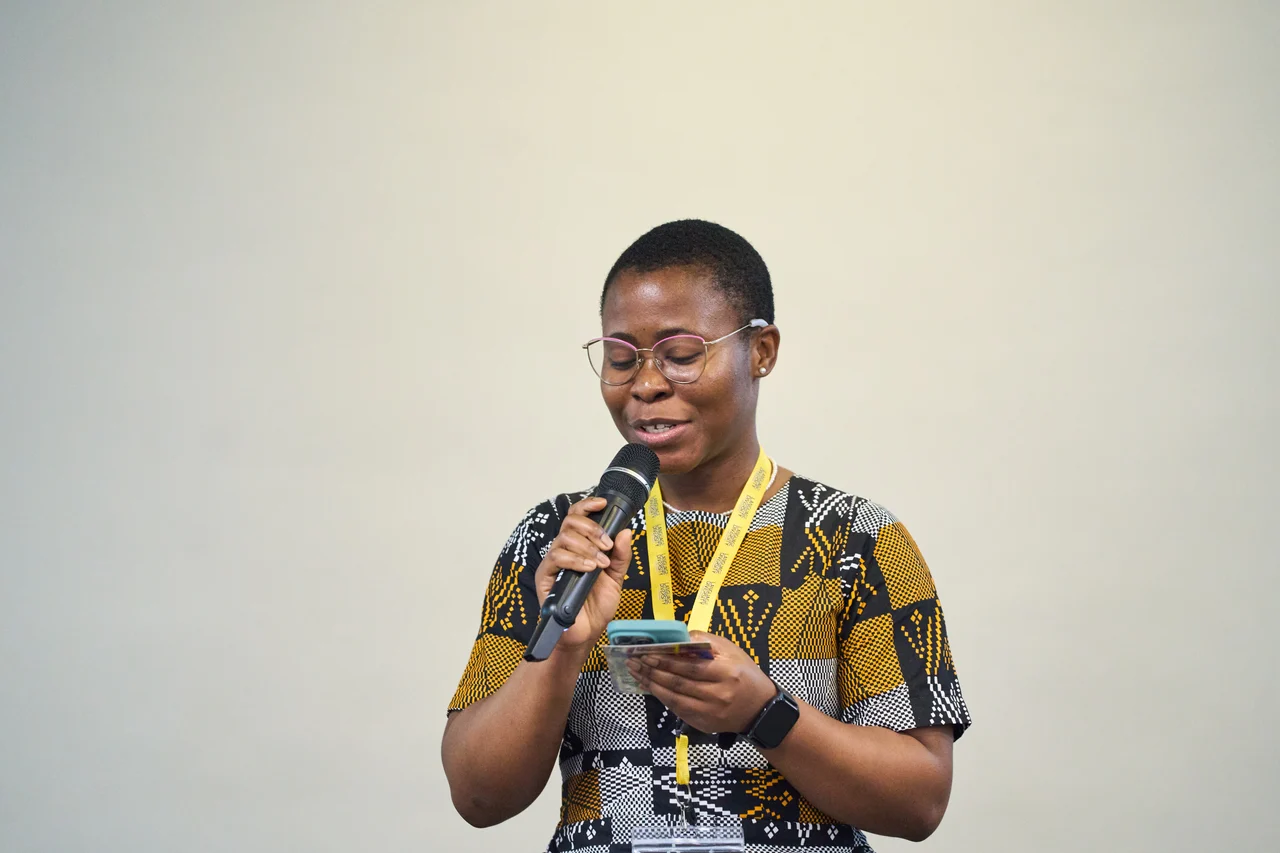
A Malagasy Wikimedia participant has published an account of the Language Diversity Conference held in Accra, Ghana, from 2 to 4 October 2026. The account, dated 11 October and published under the username Mammysou17, describes plans to bring the discussions back to Madagascar. It connects online language resources with younger contributors, oral traditions and decisions about the use of digital tools. Those are stated next steps, with implementation still to be documented. [1] [5]
The conference’s opening-day report identifies four hosts: the Wikimedia Language Diversity Hub, Wikitongues, Wikimedia UK and the Dagbani Wikimedians User Group. It reports more than 100 participants representing 82 languages. These are the hosts’ and participants’ reported figures for a global gathering, including languages from several continents. The conference programme confirms the three-day event window and the Malagasy collaboration session. [1] [2] [5]
At the opening, Professor Samuel Alhassan Issah of the University of Education, Winneba, addressed the social processes that push languages to the margins. According to the conference report, he placed representation, resources, capacity and participation among the central problems. His argument linked the creation of digital material to communities’ role in deciding what happens to it. The documented intervention concerns language speakers as producers and custodians of knowledge. [2]
The Ghanaian host’s own description gives that institutional work a regional context. The Dagbani Wikimedians User Group identifies its purpose as supporting Wikimedia projects in Gur/Mabia languages. Its page connects languages and speakers across Ghana, Burkina Faso and Benin. This is the group’s account of its remit. It places the Accra gathering within an existing community effort to organise contributions across language projects and national borders. [6]
The programme entry for the Malagasy presentation describes cooperation between Global Voices and Wikipedia to develop Malagasy-language stories and material about Madagascar. Its stated approach is volunteer collaboration: creating and improving content, supporting local voices and building partnerships around limited connectivity and language barriers. The programme records a proposed presentation and its objectives. Mammysou17’s subsequent participant account reports having delivered it. The two documents establish different stages of the same contribution. [1] [5]
The participant’s account explains why everyday use of a language and access to relevant online material can follow different paths. It identifies educational resources, cultural content and practical information in Malagasy as priorities. The work described would connect speakers’ existing language use to digital learning and public knowledge. Its significance lies in who can participate in the creation and interpretation of that material, and in the relationships sustaining contributors’ work. [1]
The second-day report describes a session on women’s participation in minoritised-language Wikipedias. Examples included Setswana, Kiswahili, Luganda, Twi, Kinyarwanda, Runyankole and Malagasy. Internet costs, accessibility and limited local-language content featured among the challenges discussed. The account records the discussion and examples presented. Evaluating later changes in participation would require evidence from the relevant language projects. [3]
The same report describes work on Hausa Sign Language and a possible digital corpus, alongside an accessibility presentation. These sessions broaden the question of representation beyond spoken and written text. A corpus project would involve decisions about contributors, recording, annotation and permitted use; the reported presentation establishes discussion of such a resource. The conference’s digital agenda therefore included the conditions under which Deaf communities could contribute and encounter material through accessible forms of communication. [3]
The final-day report records a keynote by Subhashish Panigrahi proposing an Oral Knowledge Framework. Its described components include consent, community review, transcription and citation. He also argued for payment recognising the skill involved in language fluency and knowledge sharing. These were proposals and arguments made during the gathering. They connect the organisation of evidence with the labour and decisions of people contributing knowledge to a digital record. [4]
The framework addresses a specific transition: an account shared in a social setting becomes a recording, a transcript and potentially a source used elsewhere. Each transition involves decisions about description and circulation. The final-day account also reports discussions about communities declining recording and about cultural protocols. Those details place control over disclosure within the language agenda. A contribution’s existence does not establish permission for every later use of its contents. [4]
A second-day presentation described a Dagbanli dictionary using Wikidata lexemes and audio, with offline use among its intended features. The report also identifies a lexicographical-data workshop using Dagbani and Igala. Structured vocabulary and recordings can support language resources beyond an individual translated article, while offline access addresses a different constraint from translation. These mechanisms were presented as part of the conference’s practical programme. [3]
The host group’s organisational page records a wider programme of language projects, education and community organising. Read alongside the conference documents, it identifies an institutional base through which ideas from a meeting could become continued work. The named organisations and programme entries provide ways to follow that work in its own setting. A later report can examine resources actually released, contributor participation and the conditions attached to recorded material. [5] [6]
The documents establish a three-day gathering, specific presentations and a newly published Malagasy participant’s account. They place African languages within practical decisions about access, contributor labour, recording, description and reuse. Mammysou17’s plans now connect the Accra discussions to possible work in Madagascar. The public-interest question follows those decisions into the relevant communities: which resources are produced, who can shape them and how the contributors’ authority is retained in the resulting records. [1] [4] [5] [6]
- [1]Mammysou17 / Wikimedia Diff. From Madagascar to Accra: Reflections from the Language Diversity Conference 202611 October 2026; event 2–4 October 2026
- [2]Sir Amugi and KPremnath-WMF / Wikimedia Diff. Day One at the Language Diversity Conference 2026: Conversations, Ideas, and Practical Lessons2 October 2026; page updated 6 October 2026
- [3]Wikimedia Diff. Day Two at the Language Diversity Conference 2026: From Language and AI to Community Action4 October 2026; reports the second conference day
- [4]Wikimedia Diff. Day Three at the Language Diversity Conference 2026: Reflecting on the Future of Our Languages7 October 2026; reports the final conference day, 4 October
- [5]Language Diversity Conference / eventyay programme. Bridging Communities: Global Voices and Wikimedia Madagascar Collaboration for Malagasy Digital RevitalizationProgramme for 2–4 October 2026; consulted 12 October 2026
- [6]Dagbani Wikimedians User Group. Dagbani Wikimedia: community purpose, languages and programmesUndated organisational page; consulted 12 October 2026
Did this publication help you understand the topic?
0 voluntary responses. Browser-based participation; responses are not a representative survey.
We welcome suggestions, contributions and recommendations.
Editorial standards ↗